From simple mechanical devices to intelligent electronic systems — tracing the transformation of tourniquet technology and its impact on modern orthopaedic surgery.
Introduction
Tourniquets have become an indispensable tool in orthopaedic surgery, enabling surgeons to operate in a bloodless field with greater clarity and precision. Over the decades, tourniquet technology has undergone a remarkable transformation — from simple mechanical devices to advanced intelligent systems that prioritize patient safety and surgical efficiency.
Early Beginnings of Tourniquet Use
Historically, tourniquets were basic mechanical devices used to restrict blood flow during surgical procedures. These early versions lacked precision and often depended heavily on manual control. While they served the purpose of reducing blood loss, they also posed significant risks such as excessive pressure, nerve damage, and tissue injury.
Transition to Pneumatic Tourniquets
The introduction of pneumatic tourniquets marked a major advancement in surgical practice. These devices allowed for more controlled pressure application using air compression. Surgeons could now maintain a more consistent and adjustable pressure level, improving surgical outcomes and reducing complications.
However, even pneumatic systems required manual monitoring, leaving room for human error.
The Rise of Electronic and Intelligent Tourniquets
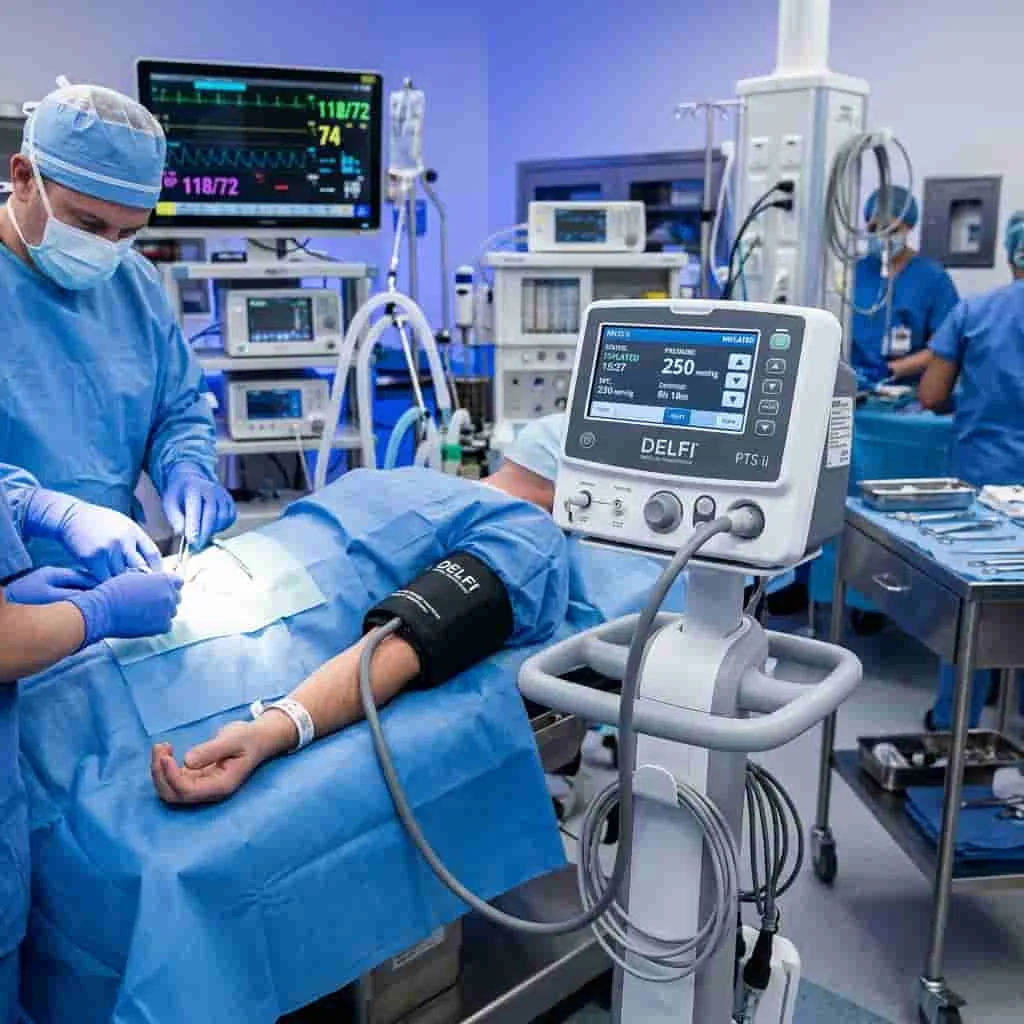
With advancements in medical technology, electronic tourniquet systems revolutionized surgical safety. These systems introduced:
- Precise pressure control
- Real-time monitoring
- Built-in safety alarms
- Automated pressure adjustments
Intelligent tourniquets further enhanced this technology by incorporating microprocessor-based systems that adapt to patient-specific requirements. This ensures that the minimum effective pressure is used, reducing the risk of complications.
Importance in Modern Orthopaedic Surgery
Modern orthopaedic procedures, such as joint replacements and ligament repairs, demand high precision. A clear surgical field significantly improves visibility, allowing surgeons to perform complex procedures more efficiently.
Key benefits of advanced tourniquet systems include:
- Reduced intraoperative blood loss
- Improved surgical accuracy
- Shorter operation time
- Better patient outcomes
Safety Considerations
While tourniquets are highly beneficial, improper use can lead to complications. This makes advanced safety features critical. Intelligent tourniquets help mitigate risks by:
- Preventing over-pressurization
- Providing alerts for prolonged usage
- Ensuring consistent pressure levels
MDE's Role in Tourniquet Innovation
MDE Healthcare has been at the forefront of this technological evolution. As a pioneer in electronic tourniquet systems, MDE has consistently focused on delivering devices that combine precision, reliability, and safety.
With a strong presence across India and exports to multiple countries, MDE tourniquets are trusted by surgeons for their consistent performance in demanding surgical environments.
Conclusion
The journey of tourniquet technology reflects the broader evolution of surgical innovation — moving from manual processes to intelligent, automated systems. As orthopaedic surgery continues to advance, the role of reliable and safe tourniquet systems becomes even more critical.
MDE continues to lead this transformation by providing cutting-edge solutions that empower surgeons and improve patient care.