A practical guide to safe tourniquet use — pre-operative checklists, intra-operative guidelines, and common mistakes to avoid for maximum patient safety.
Introduction
Tourniquets are powerful tools — but only when used correctly. While they enhance surgical visibility and reduce blood loss, improper usage can lead to serious complications.
This guide outlines practical, actionable best practices to ensure maximum patient safety.
Pre-Operative Checklist
Before applying a tourniquet, ensure:
- Correct cuff size is selected
- Equipment is tested and functional
- Patient limb is properly positioned
- Skin is protected to avoid pressure injury
During Surgery: Key Guidelines
1. Use Minimum Effective Pressure
Avoid overinflation. Apply only the pressure required to stop blood flow.
2. Monitor Time Closely
Prolonged use increases risk. Keep track of duration throughout the procedure.
3. Ensure Proper Cuff Placement
Incorrect placement can lead to uneven pressure and complications.
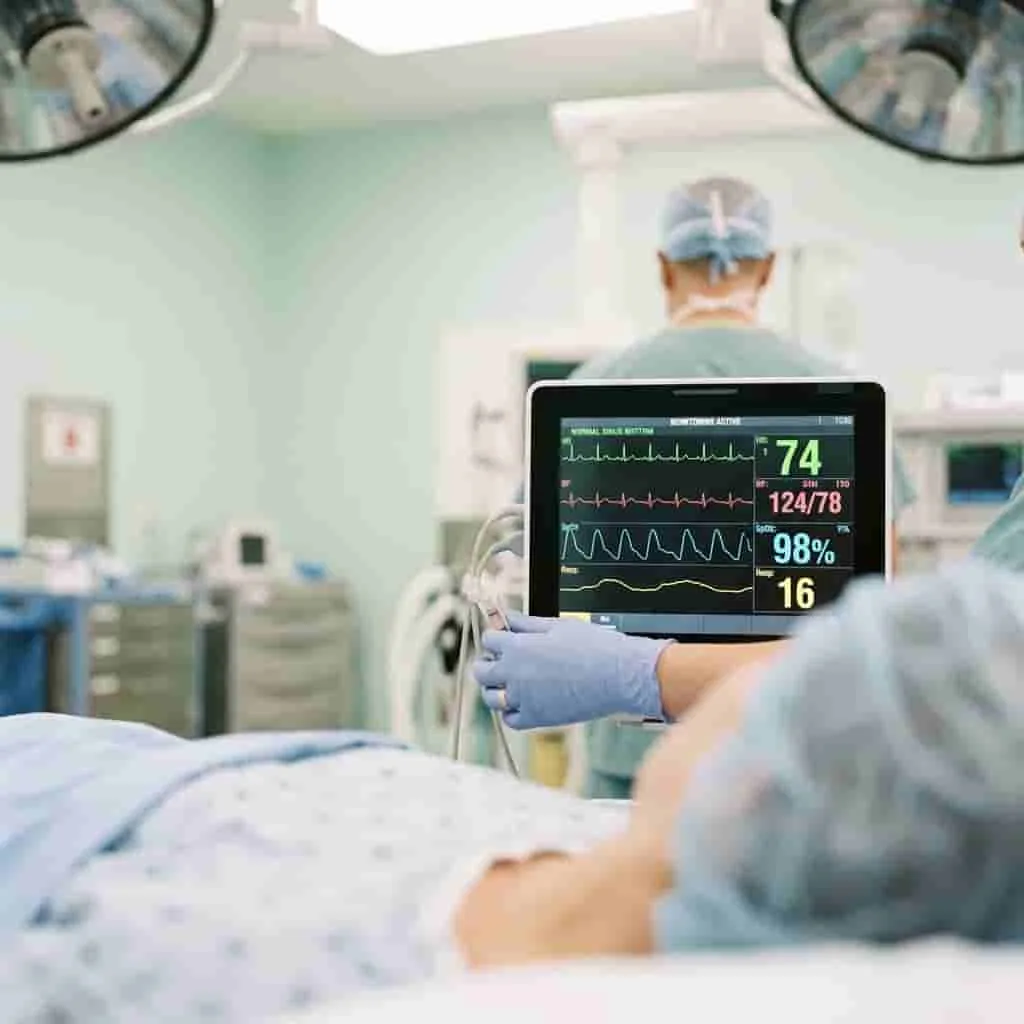
4. Continuous Monitoring is Essential
Do not rely on initial settings — monitor throughout the surgery.
Common Mistakes to Avoid
- Applying excessive pressure
- Ignoring time limits
- Poor cuff positioning
- Lack of real-time monitoring
Even experienced teams can overlook these — standardized protocols help prevent them.
How Technology Improves Safety
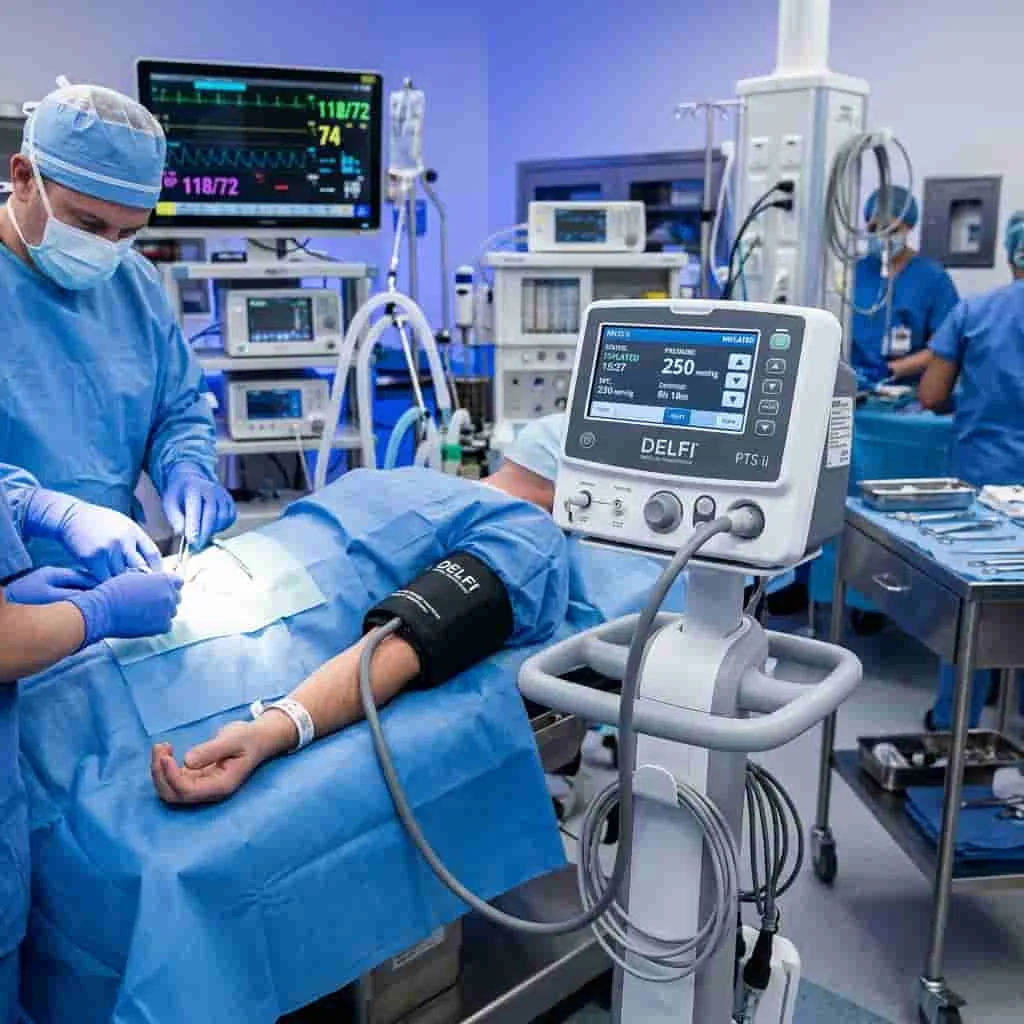
Modern tourniquet systems reduce dependency on manual control by offering:
- Automated pressure regulation
- Real-time alerts
- Built-in safety alarms
This significantly reduces human error.
Why Hospitals Are Upgrading Systems
Hospitals are increasingly adopting advanced tourniquet systems because they:
- Improve patient safety outcomes
- Reduce complication rates
- Enhance surgical efficiency
MDE's Safety-Focused Design
MDE tourniquets are built around safety-first principles:
- Precision pressure control
- Reliable alarm systems
- Consistent performance
These features support surgical teams in maintaining high safety standards.
Final Takeaway
Safe tourniquet use is not just about technique — it's about combining proper training, standardized protocols, and advanced technology. When these come together, patient safety is significantly enhanced.